Introduction: Why Mens Dress in India Is Unique
Mens Dress in India is special because it reflects the country’s rich culture, climate, and lifestyle. From traditional dhotis to modern jeans, Indian men have always balanced comfort, tradition, and style.
Clothing in India is not just about fashion. It shows identity, values, region, and occasion. What you wear for a wedding, festival, office, or daily life matters a lot.
Today, Indian men mix traditional wear with modern fashion, creating styles that are practical and stylish. In this guide, you’ll learn about the history, traditional outfits, modern trends, fabrics, styling tips, and common mistakes—all in simple words.
Table of Contents
Evolution of Mens Dress in India
Ancient & Traditional Roots
In ancient times, mens dress in India focused on comfort and climate. Clothing was simple, breathable, and easy to wear.
Popular garments included dhoti, veshti, and angavastram. These were usually made from cotton and suited India’s hot weather.
Different regions developed their own styles based on weather, culture, and local customs.
Mughal & Colonial Influence
The Mughal period introduced elegant outfits like sherwani, achkan, and kurta. These clothes added structure, embroidery, and royal style.
During British rule, shirts, trousers, coats, and suits became popular. This laid the foundation for today’s formal and office wear.
Indian men slowly adapted Western clothing while keeping traditional roots.
Post-Independence to Modern Era
After independence, Indo-Western fashion started growing. Men began mixing kurtas with pants, jackets with ethnic wear, and traditional fabrics with modern cuts.
Urban areas adopted Western styles faster, while rural areas continued traditional dressing. Today, both styles exist comfortably side by side.
Traditional Mens Dress in India
Common Traditional Outfits
Kurta & Pajama
A classic and versatile outfit worn across India for festivals and daily wear.
Dhoti & Veshti
Traditional lower garments, especially common in South and East India.
Sherwani
A formal ethnic outfit mainly worn for weddings and grand occasions.
Lungi
A comfortable, casual garment widely used in South India and coastal regions.
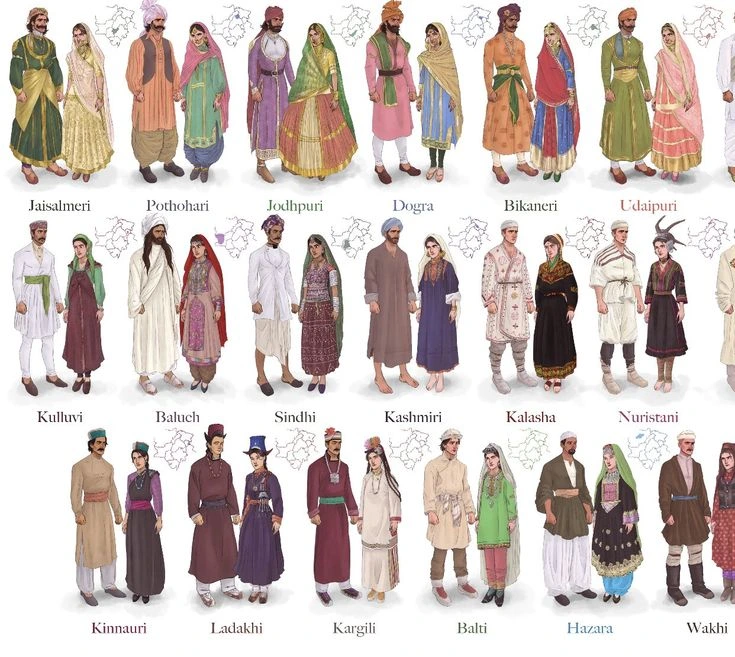
Regional Traditional Dress
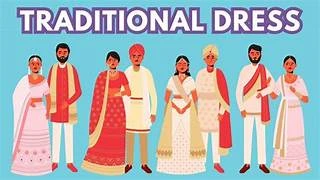
North India: Kurta, pajama, sherwani
South India: Veshti, angavastram
East India: Dhoti, panjabi
West India: Kediyu, bandhgala
Each region has its own identity, making mens dress in India highly diverse.
When to Wear Traditional Dress
Traditional wear is best suited for:
- Festivals
- Weddings
- Religious functions
- Cultural events
Ethnic clothing adds grace and respect to these occasions.
Modern & Western Mens Dress in India
Casual Wear
Casual dressing is all about comfort and ease.
- T-shirts, jeans, chinos
- Casual shirts
- Sneakers, loafers, sandals
Perfect for daily use, outings, and travel.
Formal & Office Wear
Office wear depends on your work environment.
- Shirts & trousers
- Blazers & suits
- Smart business casual outfits
Corporate offices prefer formal looks, while startups allow relaxed dressing.
Party & Occasion Wear
For parties and celebrations:
- Indo-Western outfits
- Jackets with kurta
- Stylish accessories
These outfits help you look modern yet rooted.
Indo-Western Fashion Trends
Indo-Western fashion is a big part of mens dress in India today. It blends Indian tradition with Western comfort.
Popular styles include:
- Kurta with jeans or trousers
- Nehru jackets
- Fusion outfits
Youth love this style because it’s stylish, flexible, and easy to wear.
Fabrics Used in Mens Dress in India
Fabric choice is very important in Indian weather.
- Cotton: Best for daily wear and summer
- Linen: Light and breathable
- Silk: Ideal for weddings and festivals
- Khadi: Traditional, eco-friendly, and stylish
Choose light fabrics in summer and slightly heavier ones in winter.
Mens Dress in India Based on Occasion
Daily Wear
Daily wear should focus on comfort and durability.
- Simple colors
- Breathable fabrics
- Easy-to-maintain clothes
Office & Professional Settings
Corporate roles require formal dressing, while non-corporate roles allow flexibility.
Always remember basic grooming—clean shoes, neat clothes, and proper fit.
Festivals & Weddings
Choose ethnic wear with:
- Rich colors
- Traditional fabrics
- Proper fitting
Avoid overdoing accessories.
Mens Dress in India by Age Group
18–25: Trendy, experimental, casual styles
26–35: Balanced mix of style and comfort
36–45: Elegant, classic, timeless fashion
Style should evolve with age, not disappear.
Color Combinations & Styling Tips
- Stick to 2–3 colors in one outfit
- Neutral colors are safe for beginners
- Bold colors work well for festivals
- Traditional wear suits richer shades; modern wear suits minimal tones
Accessories That Complete the Look
Small details make a big difference:
- Watches
- Footwear
- Belts
- Mojris, stoles, ethnic accessories
Choose accessories that match the outfit, not overpower it.
Common Dressing Mistakes Indian Men Make
- Overdressing or underdressing
- Ignoring proper fit
- Choosing the wrong fabric for weather
- Poor color combinations
Avoiding these mistakes instantly improves your style.
Budget-Friendly Dressing Tips
- Build a basic wardrobe
- Mix and match outfits
- Invest in good-quality basics
- Choose value-for-money fabrics
Style doesn’t need to be expensive.
Sustainable & Ethical Mens Fashion in India
More men are choosing:
- Khadi & handloom
- Long-lasting clothes
- Ethical brands
Sustainable fashion is good for both style and the planet.
Future Trends in Mens Dress in India
Upcoming trends include:
- Minimalist fashion
- Sustainable clothing
- Social media–inspired styles
Comfort and simplicity will lead future fashion.
Frequently Asked Questions (FAQ)
What is the most common mens dress in India?
Kurta-pajama and shirts-trousers are the most common.
What should Indian men wear daily?
Comfortable casual wear like cotton shirts, t-shirts, and trousers.
How to dress well on a budget?
Buy basics, mix outfits, and focus on fit.
Traditional vs modern wear – which is better?
Both are important. Choose based on occasion and comfort.
Conclusion: Finding Your Personal Style
The best mens dress in India is one that gives you comfort and confidence. You don’t need to follow every trend—just understand what suits you.
Mix tradition with modern fashion, dress for the occasion, and keep it simple. Good style is not about perfection—it’s about feeling comfortable in what you wear.