Mens Dress Size Chart to help you find the perfect fit for shirts, pants, and suits. Learn how to measure correctly and avoid sizing mistakes.
This guide is designed to make sizing simple and stress-free. We’ll walk you through how to measure yourself correctly, explain standard size charts, break down fit types, and help you understand international size conversions.
Don’t worry—no fashion jargon or complicated formulas here. This is a beginner-friendly, practical guide, written the way a friend would explain it after making a few sizing mistakes themselves.
Table of Contents
Why the Right Men’s Dress Size Is Important
Using a Mens Dress Size Chart before buying ensures you get the right fit and avoid unnecessary returns.
Wearing the correct size instantly improves how your clothes look and feel. A good fit enhances your posture, sharpens your silhouette, and boosts confidence—whether you’re heading to the office or a casual outing.
Wrong sizing can make even expensive clothes look sloppy. Tight shirts restrict movement, while oversized clothes can appear unprofessional and unflattering.
Sizing mistakes also cost money. Frequent returns and exchanges waste time and add frustration, especially with online shopping.
For office wear, interviews, college presentations, weddings, or events, the right size ensures you look put-together without constantly adjusting your outfit.
How to Measure Your Body Correctly (Step-by-Step)
Tools You Need
- Measuring tape
- Mirror or a helper
- A well-fitting shirt or trouser for reference
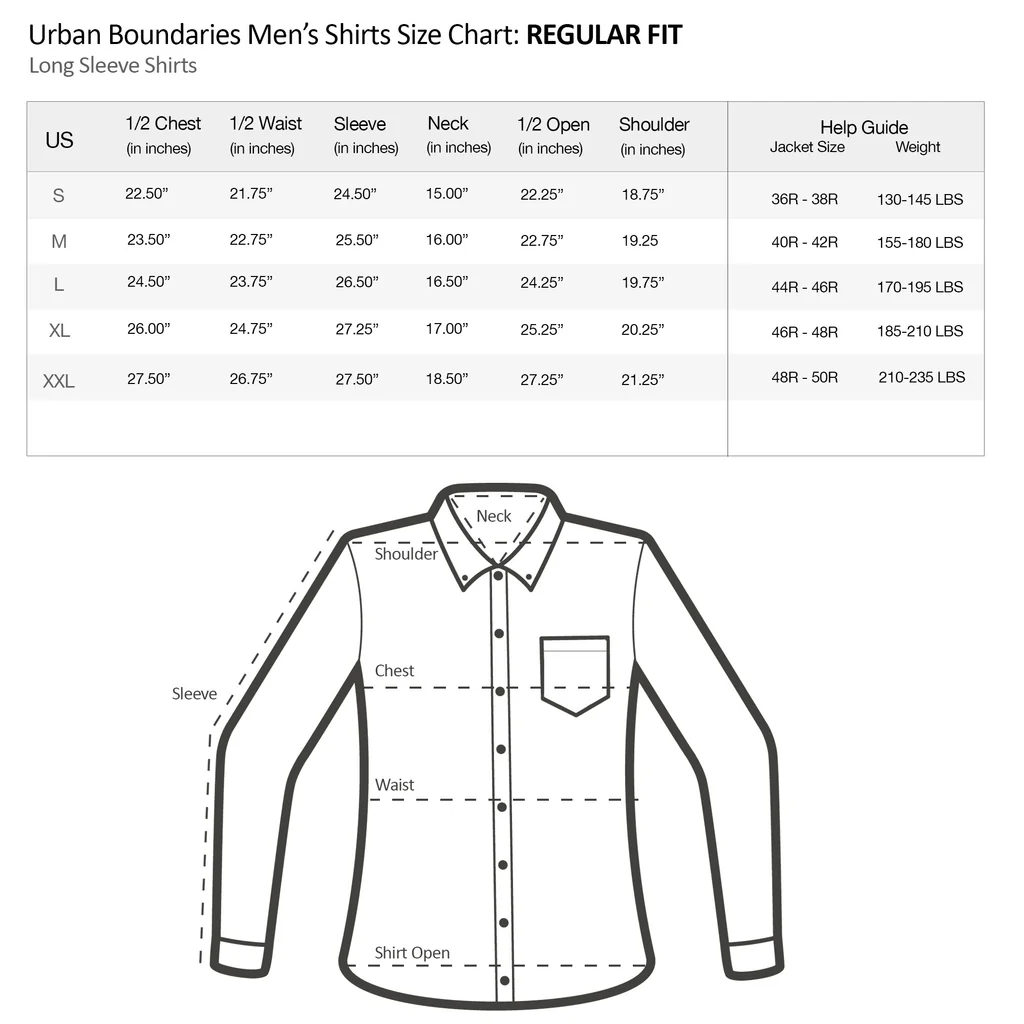
Key Measurements for Men
Chest Measurement
Wrap the tape around the fullest part of your chest, keeping it level.
Neck Measurement
Measure around the base of your neck where a shirt collar would sit.
Shoulder Width
Measure from one shoulder edge to the other across your back.
Sleeve Length
From shoulder seam to wrist bone, with your arm relaxed.
Waist Measurement
Measure around your natural waist, just above the hip bone.
Hip Measurement
Wrap the tape around the widest part of your hips.
Inseam Length
Measure from crotch to ankle along the inside of your leg.
Measurement Tips
- Measure over light clothing
- Keep the tape snug, not tight
- Always measure twice for accuracy
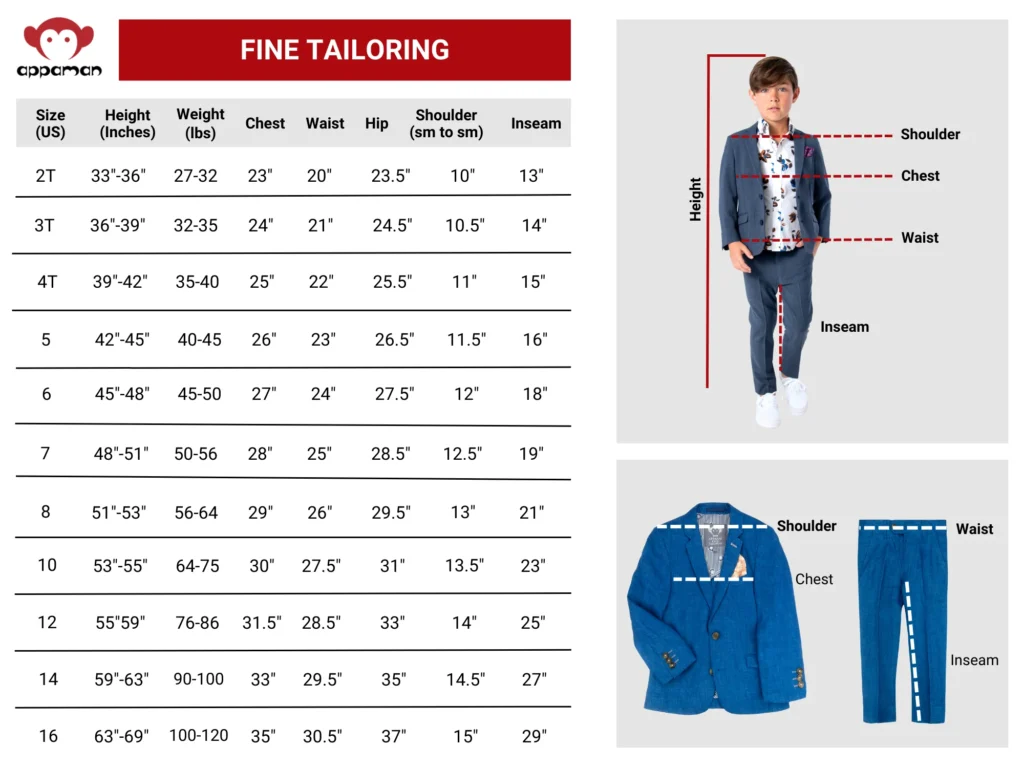
Mens Dress Size Chart: Standard Size Guide for Men
Mens Dress Shirt Size Chart
- Sizes: S, M, L, XL, XXL
- Based on: Chest size, neck size, sleeve length
- Dress shirts usually fit more precisely than casual wear
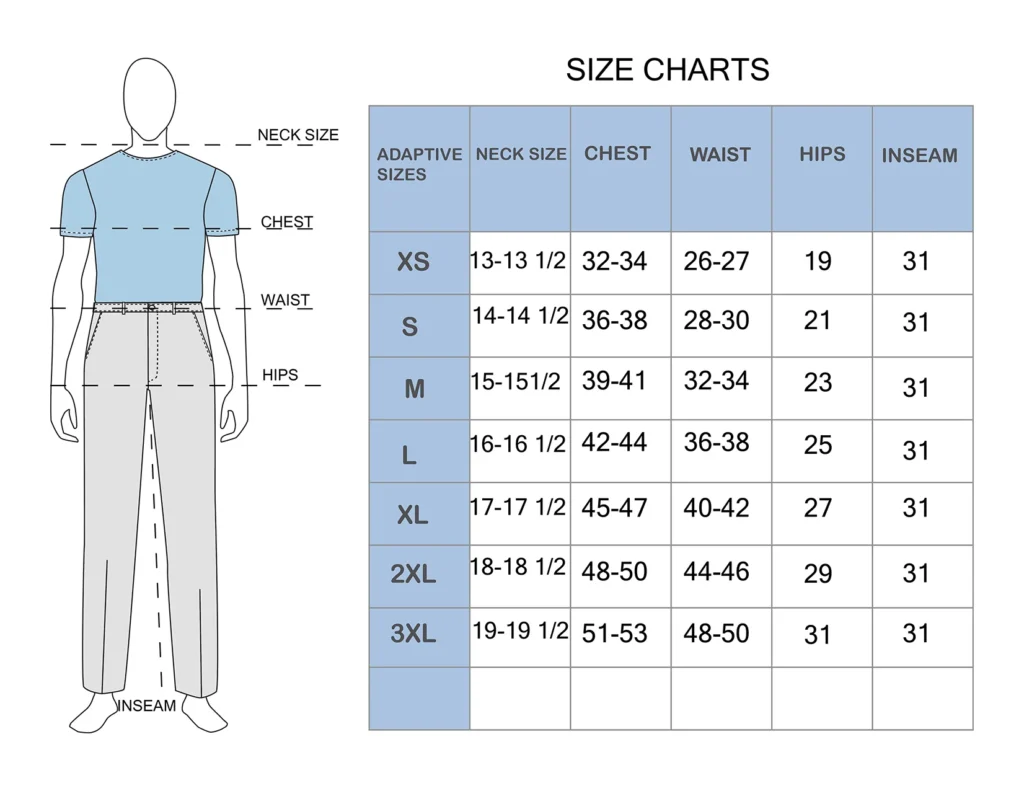
Mens Dress Pant / Trouser Size Chart
- Waist size: Inches or cm
- Hip size for comfort
- Inseam length for proper height fit
- Length types: Short, Regular, Long
Mens Suit & Blazer Size Chart
- Chest-based sizing (e.g., 38, 40, 42)
- Jacket length: S (Short), R (Regular), L (Long)
- Trousers usually match jacket size
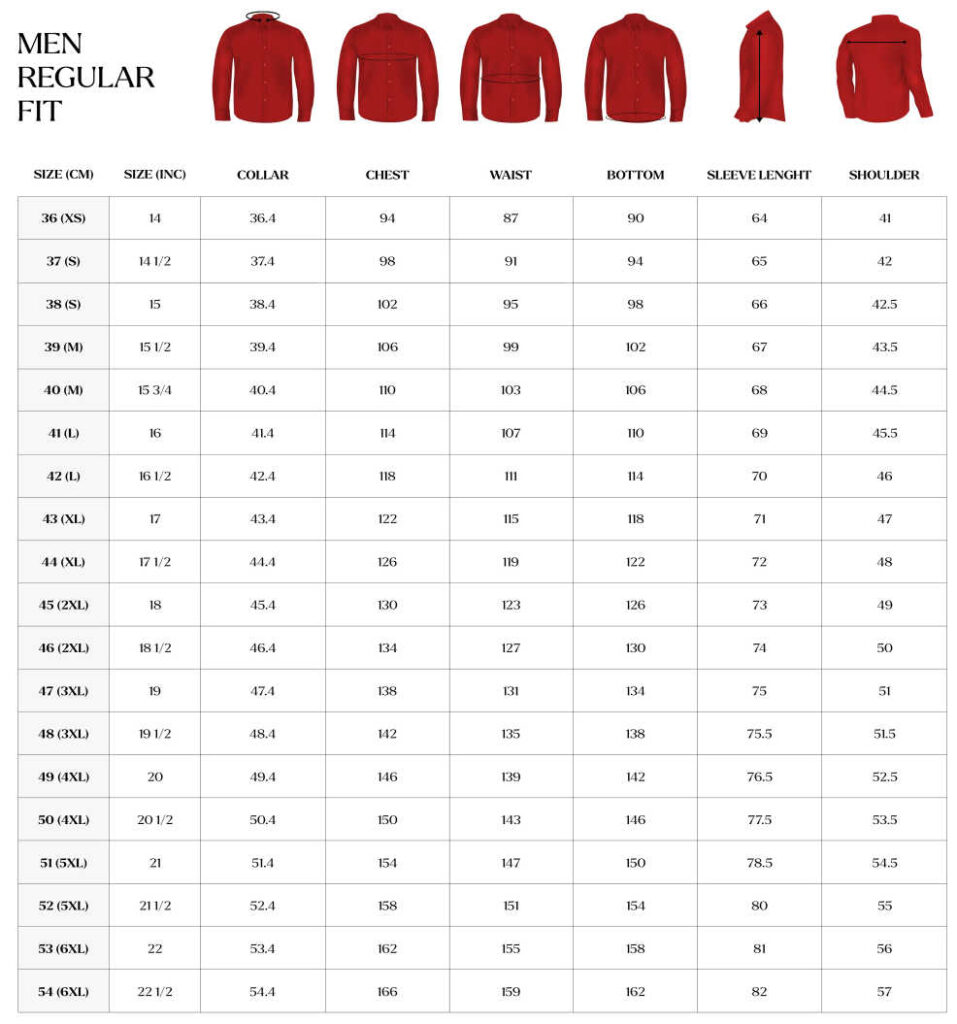
Note: Sizes can vary slightly by brand, so always check the brand’s specific chart.
Size Conversion Chart (India, US, UK & EU)
International brands often use different sizing standards, which can be confusing.
- Indian sizes often follow chest and waist measurements
- US sizes may feel slightly roomier
- UK sizes are close to US but not identical
- EU sizes usually use centimeters
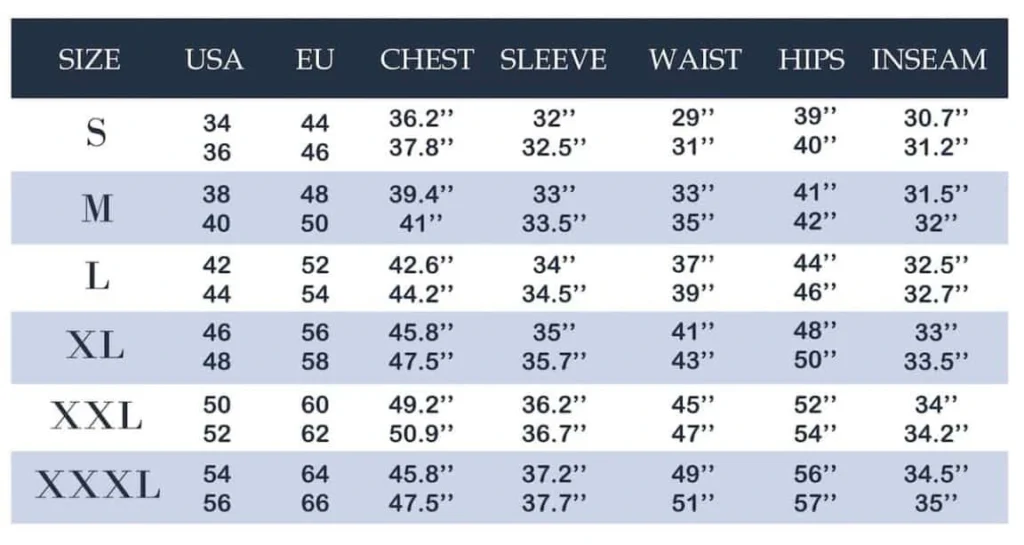
If you’re between sizes, size up for comfort, especially in slim fits. When buying international brands online, always compare your body measurements—not just the label size.
Understanding Fit Types in Men’s Dress Wear
Slim Fit
- Best for lean or athletic body types
- Tapered at waist and arms
- Ideal for modern, sharp styling
Regular Fit
- Balanced comfort and structure
- Suitable for most body types
- Perfect for daily office wear
Relaxed Fit
- Extra room for movement
- Best for comfort-first dressing
- Ideal for long hours or broader builds
Common Mens Dress Size Problems & How to Fix Them
- Shirt tight on chest but loose on waist: Try a regular fit or tailored adjustment
- Sleeves too short or long: Check sleeve measurements before buying
- Pants fit at waist but tight at thighs: Look for relaxed or athletic cuts
- Jacket shoulder issues: Always prioritize shoulder fit—tailoring can fix the rest
Minor issues can be fixed by tailoring, but major fit problems usually mean a size exchange is better.
Tips to Choose the Right Size When Shopping Online
- Always check the brand-specific size chart
- Read customer reviews for real-world fit feedback
- Compare measurements with your best-fitting garment
- Look at model size references
- Understand return and exchange policies before buying
FAQs About Mens Dress Size Chart
What size should I choose if I’m between sizes?
Go one size up for comfort, especially in formal wear.
Are dress sizes the same for all brands?
No. Always check each brand’s size chart.
How often should I re-measure my size?
Every 6–12 months or after weight changes.
Is slim fit smaller than regular fit?
Yes. Slim fit is more tapered and snug.
How to choose size for formal vs casual wear?
Formal wear needs precise sizing; casual wear allows flexibility.
Our Mens Dress Size Chart answers the most common sizing questions for online shoppers.
Final Thoughts: Dress Better With the Right Size
Using a Mens Dress Size Chart takes the guesswork out of dressing well. A few minutes of measuring can save you hours of frustration later.
Before your next purchase, measure yourself properly and match it with the right chart. The result? Better comfort, better confidence, and a cleaner, sharper look.
👉 Bookmark this size chart or share it with someone who’s tired of wrong fits. Dressing well starts with the right size.